Air Conditioning Installation and Maintenance: European Guide
Everything European homeowners and businesses need to know about installing and maintaining air conditioning, from DIY portables to professionally fitted split systems.
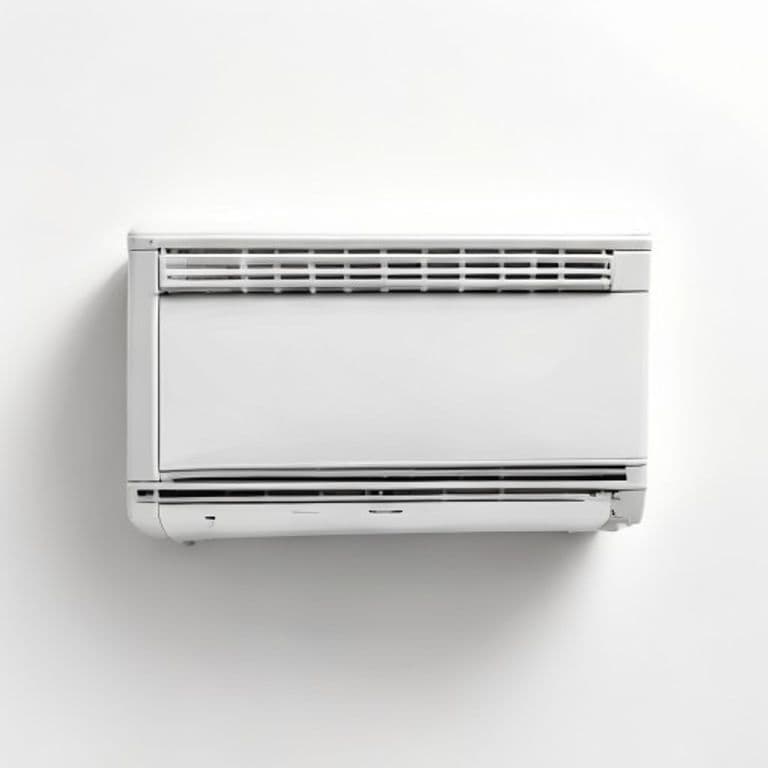
A well chosen air conditioner only earns its keep if it is installed correctly and looked after through the seasons. Get either wrong and you face weak cooling, sky-high running costs, or an early and expensive failure. Get both right and a modern inverter system will keep your home or premises comfortable for well over a decade.
This guide walks European homeowners and businesses through the practical realities of installation and maintenance. We cover which systems you can fit yourself and which demand a professional, why the EU treats refrigerant work as a regulated activity, what installation typically costs and how long it takes, and how to build a simple maintenance routine that keeps everything running efficiently.
Throughout, the advice reflects how things actually work across Germany, France, Italy, Spain, the Netherlands, Belgium, Austria, Poland, Portugal, Ireland and neighbouring markets. Rules and prices vary by country, so we flag where local differences matter most.
Choosing your installation route
Air conditioners fall into three broad installation categories, and the type you buy largely dictates how it goes in. Understanding this before you order avoids the common mistake of buying a system your building, or the law, will not let you fit the way you hoped.
The three main routes are portable units you set up yourself, window units that involve some light mounting work, and fixed split systems that must be installed by a qualified engineer. Each suits a different balance of cost, cooling power and permanence.
- Portable units: fully DIY, no fixed installation, ideal for renters and occasional use.
- Window and through-wall units: semi-DIY, needing secure mounting and a weatherproof seal.
- Split and multi-split systems: professional installation only, offering the best efficiency and quietest operation.
DIY versus professional installation
The dividing line is refrigerant. If a job involves connecting or charging refrigerant pipework, it is a professional task by law across the EU and in most neighbouring countries. Anything that arrives pre-charged and sealed, or uses no refrigerant lines you handle, can usually be set up yourself.
Portable air conditioners are the simplest. You position the unit, run its exhaust hose to a window using the supplied kit, plug it in and switch on. No tools beyond common sense are required, and you can move the unit between rooms. The trade-off is lower efficiency and more noise, because the compressor sits indoors with you.
Window units sit in the semi-DIY bracket. The appliance itself is sealed and pre-charged, so no engineer is needed, but you must mount it securely in the window aperture, support its weight, and seal around it against rain and draughts. A confident DIYer can manage this in an afternoon; if you are unsure about the mounting or working at height, hire a fitter.
Split systems are firmly professional territory. They involve mounting an indoor and an outdoor unit, running refrigerant pipes, electrical connections and a condensate drain between them, then evacuating the pipework and releasing the charge. This requires certified skills, calibrated tools and an F-gas qualification, which we explain below.
- Choose DIY when the unit is pre-charged and sealed and you are comfortable with basic mounting.
- Choose professional when refrigerant pipes must be joined, evacuated or charged on site.
- If in doubt, a short call to a local installer will confirm what your specific model needs.
Siting the units and planning the run
Placement makes or breaks comfort. An indoor unit should be mounted high on a wall with clear air throw across the room, away from direct sunlight, curtains and furniture that block the flow. Avoid positioning it directly above where people sit or sleep, as a constant cold draught quickly becomes unpleasant.
The outdoor unit needs free airflow, shade where possible, and enough clearance for service access. It should sit on a stable bracket or ground pad, away from bedroom windows because of noise, and clear of leaves and debris that clog the coil. Shorter, straighter pipe runs between the two units are more efficient, so plan the route before drilling.
Why F-gas certified engineers are required
Most air conditioners cool using fluorinated refrigerant gases, known as F-gases. These are potent greenhouse gases, so the European Union regulates how they are handled through the F-Gas Regulation, which applies across all member states with equivalent rules in nearby countries.
The rule that matters to you as a buyer is simple: any person working on refrigerant circuits must hold a valid F-gas certification, and companies must be certified too. That covers installing a split system, recovering refrigerant, fixing a leak or topping up a charge. It is not optional or a formality; unqualified refrigerant work is illegal and uninsurable.
There are sound reasons behind the rule. Refrigerant handled carelessly leaks into the atmosphere, harms efficiency and can be dangerous. Certified engineers are trained to braze joints correctly, pressure-test for leaks, evacuate moisture from the system and charge it to the exact weight the manufacturer specifies. That precision is what delivers quiet, efficient, long-lasting cooling.
- F-gas certification is mandatory across the EU for any refrigerant work.
- It protects the climate, your warranty and your safety.
- Always ask an installer for their certification number before booking.
- Keep the paperwork; it supports warranty claims and, for businesses, compliance records.
Installation costs and timelines
Costs vary widely across Europe with labour rates, building type and system size, but useful ranges help you budget. A portable unit has no installation cost beyond the price of the appliance. A window unit costs nothing to fit if you do it yourself, or a modest fee if you hire someone for an hour or two.
A single-room split system is the big-ticket job. Across most of Western Europe, professional installation of one indoor and one outdoor unit commonly falls in the region of several hundred euros, on top of the equipment. Multi-split systems serving several rooms cost more, roughly scaling with the number of indoor units and the length and complexity of the pipe runs.
Factors that push the price up include long or awkward pipe routes, working at height, drilling through thick or masonry walls, upgrading the electrical supply, and any need for scaffolding or lifting equipment. Getting two or three written quotes is always worth the effort, and lets you compare like for like.
- Portable unit: no installation cost, ready in minutes.
- Window unit: little or no cost, typically fitted within a couple of hours.
- Single split system: a professional day job, priced in the low-to-mid hundreds of euros for labour.
- Multi-split system: often one to two days, priced by the number of indoor units.
What to expect on installation day
For a split system, a typical single-room install takes most of a day. The engineers mount the indoor unit, position and secure the outdoor unit, drill a core hole for the pipework, run the refrigerant lines, electrics and condensate drain, then connect everything up.
The critical final steps are evacuation and charging. The engineer draws a vacuum on the pipework to remove air and moisture, checks it holds pressure to confirm there are no leaks, then releases or adds refrigerant to the exact charge. They finish by commissioning the system, testing both heating and cooling modes and handing over the paperwork. A tidy installer will also protect your floors and clear away all debris.
- Clear access to both the indoor wall and the outdoor unit location beforehand.
- Agree the exact unit positions and pipe route with the engineer before work starts.
- Ask for a demonstration of the controls and the maintenance points you can reach yourself.
Drainage and electrical considerations
Two practical details are easy to overlook yet cause the most callbacks: condensate drainage and the electrical supply. As an air conditioner cools, it strips moisture from the air, and that water has to go somewhere. Indoor units drain by a gravity pipe run to a suitable outside point or waste, and where gravity will not do it, a small condensate pump lifts the water away.
A poorly routed drain is the classic cause of water dripping down a wall or pooling behind a unit. The pipe needs a continuous fall, no sags where water sits, and a clear outlet that will not freeze or block. During maintenance this drain is one of the first things to check, as slime and algae readily clog it.
On the electrical side, air conditioners must be connected safely and, for larger systems, often need their own protected circuit. Portable and window units simply plug into a standard socket, but a fixed split system should be wired by a competent electrician in line with local regulations. If your consumer unit or wiring is dated, factor in the possibility of an upgrade.
- Ensure the condensate drain has a continuous downward fall to a safe outlet.
- Fit a condensate pump where gravity drainage is not possible.
- Plug-in units use a standard socket; fixed systems may need a dedicated circuit.
- Have any electrical work carried out to local standards by a competent person.
Building a maintenance programme
Maintenance is where owners either protect their investment or quietly waste money. A neglected air conditioner works harder, uses more electricity, cools less and fails sooner. The good news is that most upkeep is simple, and the small amount that is not can be handled by an annual professional visit.
Think of maintenance in two layers: the routine tasks you do yourself every few weeks in the cooling season, and the deeper checks a qualified engineer performs once a year. Together they keep efficiency high, air clean and surprises rare.
Tasks you can do yourself
The single most valuable job is cleaning the filters. Blocked filters choke airflow, cutting cooling and driving up energy use, and they harbour dust and allergens. On most units the front panel lifts to reveal filters you slide out, rinse under lukewarm water, dry fully and refit. Do this every two to four weeks during heavy use.
Beyond filters, keep the indoor unit's air inlets and outlets clear, wipe the visible casing, and make sure nothing obstructs the outdoor unit. Gently clear leaves, dust and debris from the outdoor coil, and keep at least half a metre of clear space around it so it can breathe.
- Clean or rinse filters every two to four weeks in the cooling season.
- Keep the outdoor unit clear of leaves, grass cuttings and debris.
- Check the condensate drain runs freely and is not blocked by algae.
- Wipe accessible surfaces and keep air paths unobstructed.
- Switch off at the isolator before touching anything beyond the filters.
The annual professional service
Once a year, ideally in spring before the cooling season, book a qualified engineer for a full service. They deep-clean the coils and blower, sanitise where needed, clear and treat the condensate system, check electrical connections and controls, and verify the system is performing to specification.
Crucially, they inspect the refrigerant circuit. On a healthy sealed system the refrigerant charge should never fall, because it is not consumed like fuel. The engineer checks operating pressures and temperatures and looks for any sign of a leak. For businesses, systems above certain refrigerant thresholds require documented leak checks at set intervals under F-gas rules, so keep the service records.
- Coil and blower deep clean for restored efficiency.
- Condensate drain flush and treatment against blockage.
- Electrical, control and sensor checks.
- Refrigerant pressure and leak inspection.
- Written report and, where required, F-gas leak-check records.
Seasonal maintenance checklist
A simple seasonal rhythm keeps everything on track. Use this checklist as a year-round reminder, adjusting timing to your climate; southern Europe runs its cooling far longer than the north.
- Spring: book the annual service, clean filters, test cooling before the first heatwave.
- Summer: rinse filters every few weeks, keep the outdoor unit clear, watch for weak cooling.
- Autumn: give filters and coils a final clean, check the drain, run any winter or heating mode.
- Winter: for heat-pump models used for heating, keep the outdoor unit clear of snow and leaves.
Refrigerant top-ups and what they signal
One myth deserves special attention: that air conditioners routinely need topping up with refrigerant, like putting air in tyres. They do not. A correctly sealed system holds its charge for its whole life. If an engineer says yours needs a top-up, it means refrigerant has escaped, and that means there is a leak.
The right response to a low charge is to find and fix the leak, then recharge to the correct weight, not to simply add more gas and carry on. Repeatedly topping up a leaking system wastes money, pollutes the atmosphere and, under EU rules, is not the correct way to maintain equipment. A reputable engineer will always trace the leak first.
Warning signs that a system may be low on refrigerant include gradually weakening cooling, longer run times to reach temperature, ice forming on the indoor coil or pipework, and a hissing or bubbling sound. If you notice these, arrange a professional inspection rather than pressing on.
- A sealed system should never lose refrigerant in normal use.
- A needed top-up is a symptom of a leak, not routine maintenance.
- Insist the engineer finds and repairs the leak before recharging.
- Ice on the coil, weak cooling or hissing can all point to low charge.
Common faults and troubleshooting
Many everyday problems have simple causes you can check before calling anyone. Before troubleshooting, always switch the unit off at the isolator when inspecting anything beyond the controls and filters, and give your two-year warranty cover a thought before opening sealed parts.
If a fault persists after the basic checks below, or involves refrigerant, electrics or error codes you do not recognise, contact a qualified engineer. Our team is also happy to advise on whether a fault points to service, repair or replacement.
- Weak or no cooling: check and clean the filters, confirm the mode and set temperature, and clear the outdoor unit.
- Unit not turning on: check the power, plug, isolator and any tripped breaker, and replace remote batteries.
- Water leaking indoors: suspect a blocked or sagging condensate drain and have it cleared.
- Ice on the coil or pipes: switch off to defrost, clean the filters, and if it recurs suspect low refrigerant.
- Bad smells: clean the filters and, if it persists, arrange a coil and drain sanitising service.
- Loud noises or vibration: check the outdoor unit is level and secure and free of debris.
- Error code on the display: note the code and check the manual, then call an engineer if it is not a simple reset.
Explore related products
Frequently asked questions
Can I install an air conditioner myself in Europe?+
You can set up a portable unit yourself, and a confident DIYer can fit a sealed window unit. Split systems, however, must be installed by an F-gas certified engineer because they involve handling refrigerant, which is regulated across the EU.
What is an F-gas certified engineer and why does it matter?+
F-gas certification is the qualification the EU requires for anyone working on refrigerant circuits. It ensures the work is done safely and precisely, keeps your installation legal and insured, and protects your warranty. Always ask an installer for their certification before booking.
How much does air conditioning installation cost?+
Portable and window units cost little or nothing to install. A single-room split system typically costs a few hundred euros in labour on top of the equipment, with multi-split systems priced by the number of indoor units and the complexity of the pipe runs.
How often should I clean my air conditioner filters?+
During heavy use, rinse or clean the filters every two to four weeks. Blocked filters are the most common cause of weak cooling and higher energy bills, and clean filters also keep the air healthier.
Does my air conditioner need regular refrigerant top-ups?+
No. A properly sealed system holds its refrigerant for life and should never need routine topping up. If it does run low, there is a leak that should be found and repaired before the system is recharged.
How often should air conditioning be professionally serviced?+
Book a professional service once a year, ideally in spring before the cooling season. The engineer deep-cleans the coils, clears the condensate system, checks the electrics and inspects the refrigerant circuit for leaks and correct performance.
Ready to beat the heat?
Browse premium cooling and refrigeration systems with free EU shipping and a 2-year warranty.