Portable vs Split Air Conditioner: Which Suits Your Home?
Portable or split? We compare installation, running cost, efficiency, noise and winter heating so you can choose the right cooling system for your European home.
European summers are no longer the mild affair they once were. Heatwaves now stretch from Lisbon to Helsinki, and homes that were built to keep warmth in are struggling to let it out. If you have decided this is the year you finally cool your home properly, you have almost certainly run into the same fork in the road as everyone else: a portable air conditioner or a fixed split system?
It is a genuinely important decision, because the two products solve the same problem in very different ways. One you can carry home today and plug in tonight. The other needs a technician, a hole in the wall and a larger budget, but rewards you with quieter, cheaper, more powerful cooling for a decade or more. Neither is simply better than the other; the right answer depends on whether you rent or own, how much you will use it, what your electricity costs and how much noise you can tolerate.
This guide walks through every factor that actually matters, in plain British English, and ends with a straightforward verdict so you can buy with confidence. Every unit we sell ships free across the EU, comes with a 2-year warranty and a 30-day returns window, so there is room to change your mind.
The two systems in a nutshell
Before we compare them, it helps to be clear on what each one actually is, because the marketing can blur the lines.
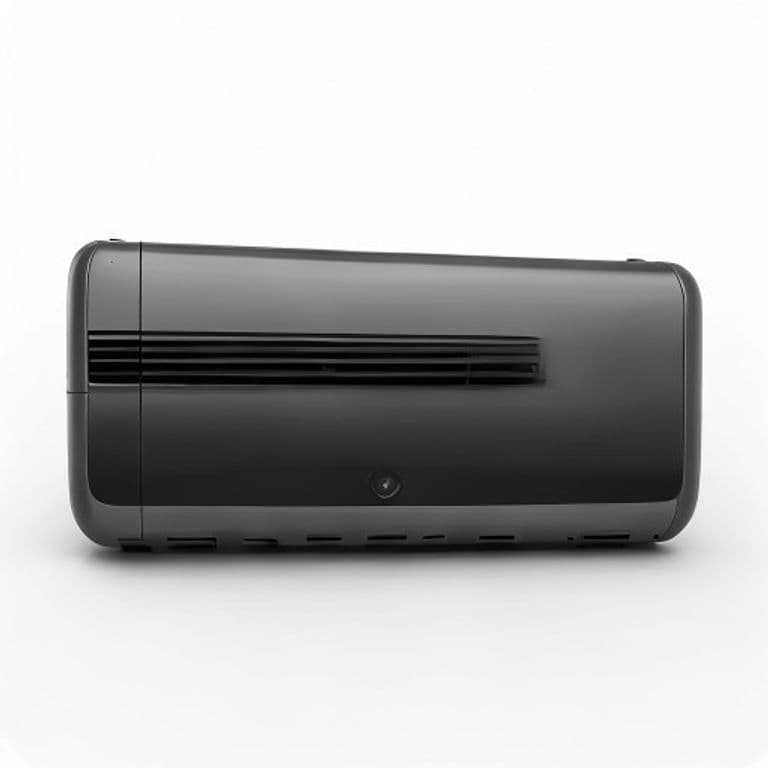
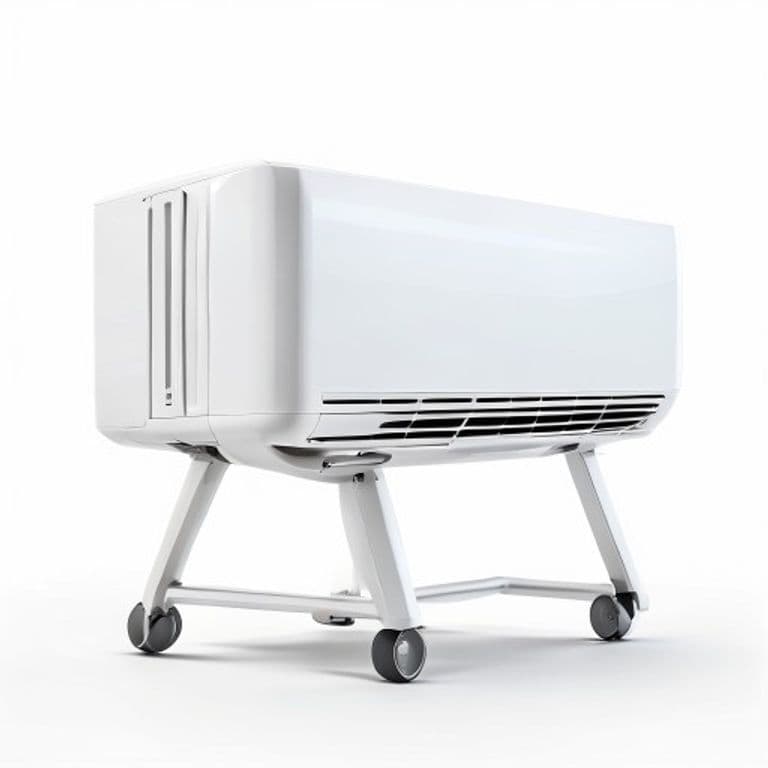
A portable air conditioner is a single freestanding box on castors, typically the size of a small filing cabinet. It contains the compressor, condenser and evaporator all in one shell, and it vents hot air outside through a flexible hose that you rest in an open window or a fitted window kit. You plug it into an ordinary socket and it works immediately.
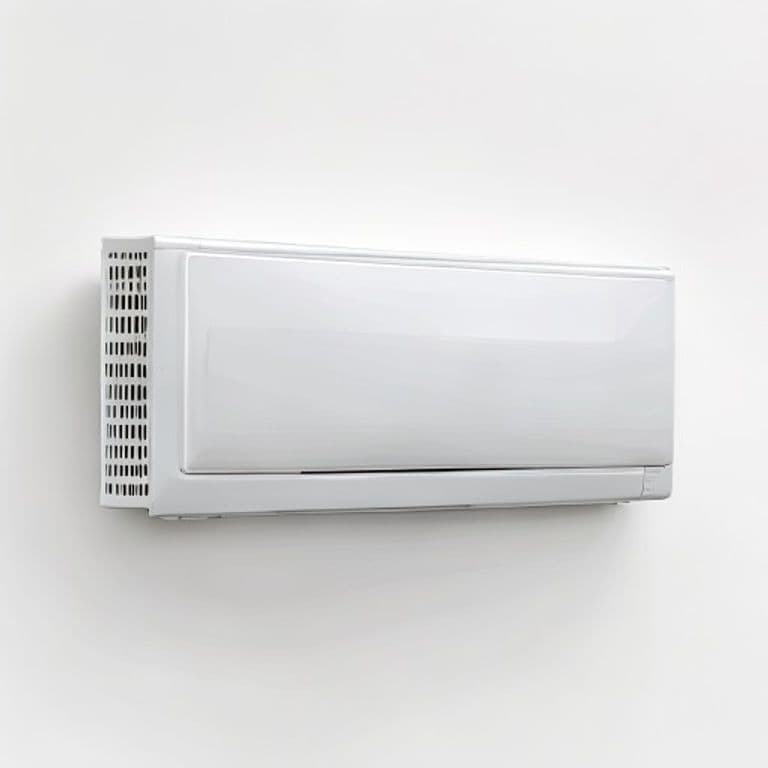
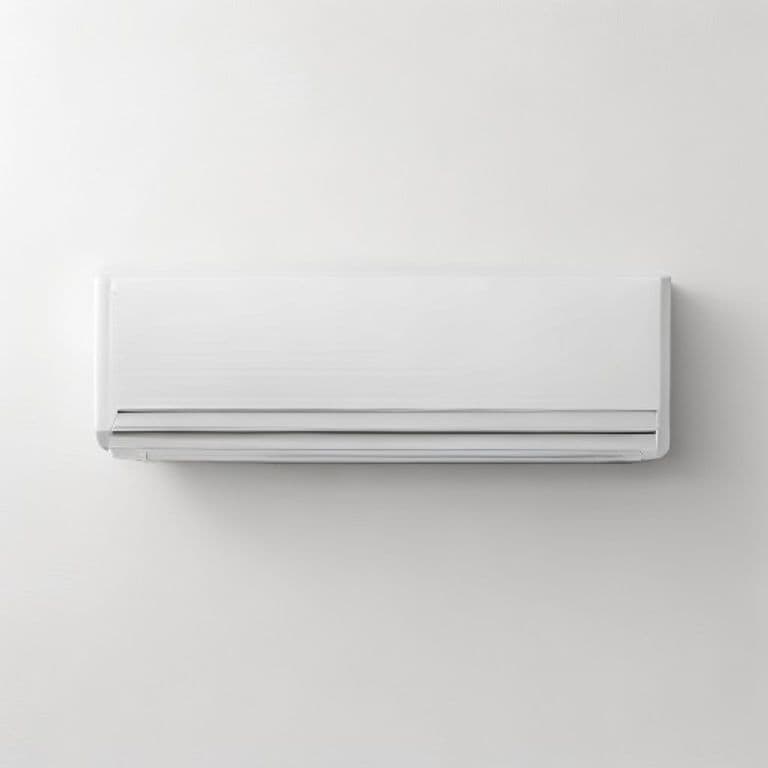
A split air conditioner separates the noisy, heat-generating half of the machine from the quiet, cooling half. A slim indoor unit mounts on your wall and blows cool air into the room, while a compressor unit lives outside on a wall bracket, balcony or roof. The two halves are joined by thin refrigerant pipes running through a small drilled hole. A multi-split system takes this further, connecting several indoor units to one outdoor compressor so you can cool multiple rooms independently.
- Portable: self-contained, movable, plug-and-play, vents through a window hose.
- Split: fixed indoor and outdoor units, professionally installed, permanent.
- Multi-split: one outdoor unit serving two or more indoor units for whole-home cooling.
Installation and flexibility
This is the single biggest practical difference, and for many Europeans it settles the question before any other factor is considered.
Renters and landlord rules across the EU
If you rent, a portable unit is often the only realistic choice. It requires no permission, no drilling and no permanent alteration to the property, so you can use it freely and take it with you when you move.
Split systems are a different matter. Because they involve drilling through an external wall and mounting a compressor on the building, they almost always need the landlord's written consent, and in many countries a great deal more. In Germany, fixed installations on shared facades typically require agreement from the property owner and, in apartment blocks, the owners' association. In France, Italy and Spain, co-ownership rules and local aesthetic regulations frequently restrict where an outdoor unit may be placed, and historic town centres in particular may forbid visible units altogether. Always check your tenancy agreement and, in a flat, the building's rules before committing to a split.
- Portable: no permission, no drilling, fully reversible, moves house with you.
- Split: needs landlord consent and often building association approval.
- Heritage and co-ownership rules can restrict outdoor units in many EU cities.
What owners should weigh up
If you own your home, the flexibility argument weakens considerably. A professionally installed split becomes a long-term fixture that adds comfort and, in warmer regions, can even lift a property's value. The trade-off is that installation takes a few hours, needs a qualified engineer to handle the refrigerant, and ties the unit to that room. A portable, by contrast, can be wheeled from the living room by day to the bedroom by night, which some households genuinely prefer over cooling only one fixed space.
Upfront and running costs
The price on the shelf tells only half the story. What a unit costs to run over its lifetime often dwarfs the purchase price, and this is where portables and splits diverge sharply.
What you pay to buy and install
Portable units win decisively on upfront cost. There is nothing to install beyond fitting a window bracket, so the shelf price is the total price. A quality portable is an accessible entry point to home cooling.
A split system costs more to buy and adds a professional installation fee on top, since it must be fitted by a certified engineer. For a single room that is a meaningful outlay, though it buys you a machine built to last far longer and run far more cheaply.
Efficiency, SEER and electricity prices
Running cost is decided by two things: how efficient the unit is, and what you pay per kilowatt-hour. Efficiency is expressed as SEER, the Seasonal Energy Efficiency Ratio, which measures how much cooling you get for each unit of electricity across a whole season. A higher SEER means lower bills.
This is where splits pull decisively ahead. Modern inverter splits reach far higher SEER figures than portables, because their compressor sits outside and modulates its speed rather than switching brutally on and off. A portable is inherently handicapped: it sits inside the room it is cooling, so its own waste heat and the warm air drawn back in around the hose fight against it, dragging real-world efficiency down.
Electricity prices make this gap matter more in some countries than others. Households in Germany, Denmark and the Netherlands pay some of the highest domestic electricity rates in Europe, so an inefficient portable used all summer can become genuinely expensive there. In markets with lower tariffs, the running-cost penalty of a portable stings less. The heavier and hotter your summer, and the pricier your power, the faster an efficient split pays back its higher purchase cost.
- SEER measures seasonal cooling efficiency; higher is cheaper to run.
- Inverter splits achieve much higher SEER than self-contained portables.
- High tariffs in Germany, Denmark and the Netherlands reward efficiency most.
- Heavy, all-summer use tilts the maths firmly towards a split.
Noise and where the compressor sits
Noise is the factor buyers most often underestimate, and it comes down to one simple fact: where the compressor lives.
Why splits are so much quieter indoors
The compressor is the loudest component in any air conditioner. In a split system it is banished to the outdoor unit, so the indoor half only has to run a gentle fan. Good split indoor units are genuinely quiet, often no louder than a soft whisper, which is precisely why they are the default choice for bedrooms and nurseries. The noise that remains ends up outside, where a considerate installer will position the compressor away from your neighbours' windows.
Living with a portable's noise
A portable keeps the entire machine, compressor included, inside the room. There is no way around this, so even the best portables produce a noticeable hum and cycle up and down as the compressor kicks in. Many people find this perfectly acceptable in a living room or home office during the day, but light sleepers frequently struggle with a portable running through the night in the bedroom. If a silent night's sleep is your priority, this alone may decide the matter.
- Split indoor units run quietly enough for bedrooms and nurseries.
- Portables keep the compressor in the room, so night-time noise is unavoidable.
- Consider where an outdoor compressor sits to keep the peace with neighbours.
Reverse-cycle heating for European winters
An air conditioner that only cools is a summer luxury. One that also heats is a year-round investment, and this is a strength splits carry far better than portables.
Reverse-cycle models, also called air-to-air heat pumps, run the refrigeration process backwards in winter to pump warmth into your home. Crucially, they deliver several units of heat for every unit of electricity, which makes them markedly cheaper to run than a plug-in electric heater and a useful hedge against high gas prices. For homes in the Netherlands, Germany, Austria, Poland or the Nordics, a reverse-cycle split can take the chill off shoulder seasons and trim heating bills across a long winter.
Split systems are simply better suited to this role. Their outdoor unit is designed to extract heat from cold outside air, and inverter models keep working efficiently as temperatures drop. Some portables offer a heating mode, but with the whole unit indoors and a hose to the window, they cannot match a split's winter efficiency. If you want one appliance that earns its keep in January as well as July, a reverse-cycle split is the far stronger candidate.
- Reverse-cycle splits heat as well as cool, working as an air-to-air heat pump.
- They deliver several units of heat per unit of electricity, undercutting plug-in heaters.
- Especially valuable in northern and central Europe's long, cold seasons.
Sizing, aesthetics, lifespan and maintenance
A few remaining practicalities can tip a finely balanced decision, so it is worth running through them before you choose.
Getting the room size right
An undersized unit runs flat out and never quite cools the room; an oversized one cycles too quickly and leaves the air clammy. As a rough guide, a small bedroom or study of up to around 20 square metres is well served by a compact unit, a typical living room of 25 to 35 square metres wants more capacity, and open-plan or south-facing rooms with lots of glass need a step up again. Splits are generally available in higher capacities, so for a large or sun-drenched space they will cool more effectively than most portables can manage. For cooling several rooms at once, a multi-split system is the natural whole-home answer.
- Up to roughly 20 square metres: a compact portable or small split copes well.
- 25 to 35 square metres: choose a higher-capacity unit, usually a split.
- Multiple rooms: a multi-split cools each zone independently from one outdoor unit.
Looks, lifespan and upkeep
Aesthetically, a wall-mounted split is discreet and fixed high out of the way, whereas a portable takes up floor space and trails a hose to the window. On longevity, a well-maintained split typically lasts a decade or more, comfortably outliving a portable. Maintenance for both is straightforward: rinse or replace the filters regularly and keep the vents clear. Splits benefit from an occasional professional service to check the refrigerant and clean the coils, while portables need their condensate managed, whether that is emptied by hand or drained continuously, to prevent the tank filling on humid days.
The verdict: which should you choose?
Both systems cool a room effectively. The right choice comes down to your circumstances rather than any single specification, so match your situation to the summaries below.
- Choose a portable if you rent, cannot drill or alter the property, want cooling today with no installation, need to move the unit between rooms, or want a lower upfront cost for occasional heatwave use.
- Choose a split if you own your home, will cool the same room heavily all summer, want the lowest running costs and quietest night-time operation, or want reverse-cycle heating to cut winter bills.
- Choose a multi-split if you want to cool several rooms of a house or flat efficiently from a single outdoor unit, with independent control in each zone.
Explore related products
Frequently asked questions
Is a portable air conditioner cheaper to run than a split?+
No. Although a portable costs less to buy, it is usually more expensive to run because it is far less efficient. The whole machine sits in the room, and warm air drawn back around the window hose works against it. A modern inverter split achieves a much higher SEER and lower bills over a season, which matters most in high-tariff countries such as Germany, Denmark and the Netherlands.
Can I install a split air conditioner if I rent my home?+
Only with permission. A split requires drilling an external wall and mounting an outdoor unit, so you will almost always need your landlord's written consent, and in an apartment block the owners' association may need to approve it too. Many renters choose a portable instead, since it needs no permission, no drilling and moves house with you.
Which is quieter, a portable or a split system?+
A split is much quieter indoors. Its noisy compressor sits outside, leaving only a soft indoor fan, which is why splits are the usual choice for bedrooms. A portable keeps the compressor in the room, so it hums and cycles audibly. Light sleepers often find a portable too noisy for overnight use in the bedroom.
Can an air conditioner also heat my home in winter?+
Yes, if it is a reverse-cycle model, also called an air-to-air heat pump. It runs the cooling process in reverse to warm your home and delivers several units of heat per unit of electricity, making it cheaper than a plug-in electric heater. Reverse-cycle splits are best suited to this and are a real asset through long central and northern European winters.
How do I know what size air conditioner I need?+
Match capacity to the room. A space up to around 20 square metres suits a compact unit, while a living room of 25 to 35 square metres needs more capacity, and south-facing rooms with lots of glass need a further step up. An undersized unit never cools properly and an oversized one leaves the air clammy, so if in doubt our team can help you choose.
What is the best way to cool a whole house rather than one room?+
A multi-split system is the most efficient answer. It connects several indoor units to a single outdoor compressor, letting you cool multiple rooms independently with individual temperature control in each. It is tidier and cheaper to run than fitting a separate portable in every room.
Ready to beat the heat?
Browse premium cooling and refrigeration systems with free EU shipping and a 2-year warranty.