Cooling and Refrigeration for Restaurants and Hotels in Europe
From walk-in cold rooms and blast chillers to whisper-quiet guest-room air conditioning, this guide helps European hospitality operators plan cooling that protects food, delights guests and controls energy costs.
For a restaurant or hotel, cooling is never a single purchase. It is a system that runs quietly behind every service, protecting food from the loading bay to the plate and keeping guests comfortable from the dining room to the top-floor suite. Get it right and nobody notices. Get it wrong and you face spoiled stock, failed inspections, sweltering guests and energy bills that quietly erode your margin.
European operators face particular pressures. Summers are longer and hotter than the buildings were designed for, electricity prices vary enormously between markets, and food-safety enforcement is rigorous across the EU. A cold room that drifts two degrees warm during an August lunch rush is not a minor inconvenience; it is both a compliance risk and a financial one.
This guide treats the two sides of hospitality cooling as intertwined halves of one operation: commercial refrigeration that keeps your kitchen legal and your ingredients at their best, and guest comfort that shapes how a stay or a meal feels. Along the way we cover the decisions owners and managers actually face, from HACCP temperature control to serving wine well and taming energy costs across European electricity markets.
Two cooling systems, one hospitality operation
It helps to picture your premises as having two distinct climates that never mix. Behind the pass, refrigeration holds specific products at tightly defined temperatures, often close to freezing, around the clock. Out front, comfort cooling keeps people at a pleasant twenty-two to twenty-four degrees during opening hours. They use related technology but answer to different masters: food-safety law on one side, guest satisfaction on the other.
Treating them as one budget line is a costly mistake. Kitchen refrigeration must run continuously, tolerate heavy use and recover quickly when doors open dozens of times an hour. Comfort cooling must be quiet, zoned and efficient across long shoulder seasons. Under-invest in either and it shows up eventually, whether as a health inspector's note or reviews mentioning a stuffy room.
The best fit-outs start by mapping every cooling need before choosing a single appliance: what needs to be cold, how cold and how often it is accessed, then which spaces need comfort cooling, when they are occupied and how sensitive they are to noise.
- Kitchen and storage refrigeration: cold rooms, prep and under-counter fridges, display cabinets, blast chillers, ice makers.
- Front-of-house refrigeration: wine cabinets, bottle coolers and back-bar units that double as service and presentation.
- Comfort cooling: split and multi-split air conditioning, portable units for overflow, smart thermostats and zoning.
- Shared concern: energy management, since cooling is typically the single largest electrical load in a hospitality building.
Commercial kitchen refrigeration and food storage
The refrigeration behind your kitchen is the backbone of both food quality and legal compliance. Each type of equipment solves a specific storage or workflow problem, and a well-planned kitchen uses several in combination rather than forcing one unit to do everything.
Sizing matters as much as type. A cold room that is too small forces staff to over-stack shelves, blocking airflow and creating warm pockets; one that is too large wastes energy cooling empty space. The right specification comes from realistic covers, delivery frequency and menu, exactly the kind of detail our team works through with operators during a fit-out.
Cold rooms, prep fridges and display refrigeration
Walk-in cold rooms are the workhorses of any serious kitchen, providing bulk chilled or frozen storage for deliveries and prepped stock. They consolidate storage that would otherwise sprawl across many small units, and modern modular panels make them straightforward to install and later reconfigure.
Closer to the action, under-counter and prep fridges keep the day's mise en place within arm's reach of the line, cutting the walking that slows a busy service. Display refrigeration, from deli counters to grab-and-go cabinets in a hotel lobby, keeps food safe while presenting it attractively to guests.
- Walk-in cold rooms: bulk chilled and frozen storage, modular and expandable.
- Under-counter and prep fridges: point-of-use storage that speeds service.
- Display and deli cabinets: food-safe presentation for counters, buffets and lobbies.
- Bottle and back-bar coolers: fast-access chilled drinks for front-of-house.
Food safety, HACCP and temperature control
Across the EU, food businesses operate under HACCP-based food-safety management, and temperature control sits at the heart of it. Chilled high-risk food must generally be held at or below the temperature set by your national rules, commonly around five to eight degrees, with frozen storage typically at minus eighteen degrees or colder. The precise figures vary by country, so always follow your local authority.
Reliable refrigeration is only half the answer; you also need to prove it. Built-in displays and automatic data logging turn a good intention into an auditable record. The danger zone between roughly five and sixty-three degrees is where bacteria multiply fastest, which is why equipment that recovers temperature quickly after a door opens is worth paying for.
- Hold chilled high-risk food at your national limit, commonly 5 to 8 degrees Celsius.
- Keep frozen storage at around minus 18 degrees Celsius or colder.
- Log temperatures regularly and keep records for inspection.
- Choose equipment with fast pull-down and recovery to minimise time in the danger zone.
Blast chillers and rapid cooling
A blast chiller solves a problem ordinary fridges cannot: cooling hot food through the danger zone quickly enough to be safe and to preserve texture and flavour. Where a standard fridge would take hours and warm everything around it, a blast chiller drops core temperature from cooking heat to chilled storage in well under two hours.
For any kitchen doing cook-chill, batch preparation or advance banqueting, a blast chiller is transformative. It extends safe shelf life, reduces waste, and lets a hotel kitchen prepare confidently ahead of a large event rather than cooking everything to order under pressure.
Ice makers and drinks refrigeration
Ice is easy to overlook until you run out during a heatwave. For bars, restaurants and hotel service, a dedicated commercial ice maker is far more reliable and hygienic than trays, and the right ice type genuinely affects the guest experience.
Capacity planning is the common pitfall. Demand can triple on a hot afternoon, so specify for your busiest realistic day, not your average one, and allow for storage bin capacity as well as daily production.
Choosing between cube, flake and nugget ice
Each format suits different service. Cube ice melts slowly and looks clean in a glass, the default for spirits, soft drinks and cocktails. Flake ice moulds around whatever it touches, ideal for displaying fresh fish, seafood and salad bars, and for spa use in wellness hotels. Nugget ice, soft and chewable, has become popular in cafes and casual dining because guests love it and it cools drinks fast. Many sites end up with two machines: a cube maker for the bar and a flake maker for the kitchen display.
- Cube ice: slow-melting and clear, best for bars, spirits and cocktails.
- Flake ice: soft and mouldable, ideal for fresh-fish displays, buffets and spa use.
- Nugget ice: soft and chewable, popular in cafes and casual dining.
Wine storage and front-of-house refrigeration
Wine is where refrigeration crosses from the kitchen into the dining room, becoming part of the guest experience rather than hidden infrastructure. A good wine cabinet protects your investment in stock and lets you serve every bottle at its best, which for a restaurant with a serious list is a direct driver of revenue. Front-of-house cooling also has to look the part: bottle coolers, back-bar units and display cabinets are on show, so alongside performance you are choosing an appliance that fits the room.
Dual-zone cabinets and serving temperatures
The old advice that reds are served at room temperature dates from an era of cooler dining rooms; a modern restaurant at twenty-four degrees will show many reds too warm and flabby. A dual-zone wine cabinet solves this by holding two independent temperatures at once, so whites and reds are each ready to pour without a scramble.
As a working guide, light and sparkling whites show best around six to eight degrees, fuller whites and roses around ten to twelve, lighter reds around thirteen to fifteen, and full-bodied reds around sixteen to eighteen. Long-term storage, as opposed to short-term serving, is best around twelve degrees with stable humidity and minimal vibration, which is where a dedicated cellar-style cabinet earns its place.
- Sparkling and light whites: about 6 to 8 degrees Celsius.
- Full whites and roses: about 10 to 12 degrees Celsius.
- Light reds: about 13 to 15 degrees Celsius.
- Full-bodied reds: about 16 to 18 degrees Celsius.
- Long-term storage: a steady 12 degrees with stable humidity and low vibration.
Guest and dining-room comfort cooling
Comfort cooling is where hospitality is won or lost on review sites. A guest may forgive a small room, but rarely a hot and sleepless night, and in the dining room temperature shapes how long people linger, how much they order and whether they return. The goal is even, quiet cooling that guests barely notice because it simply feels right.
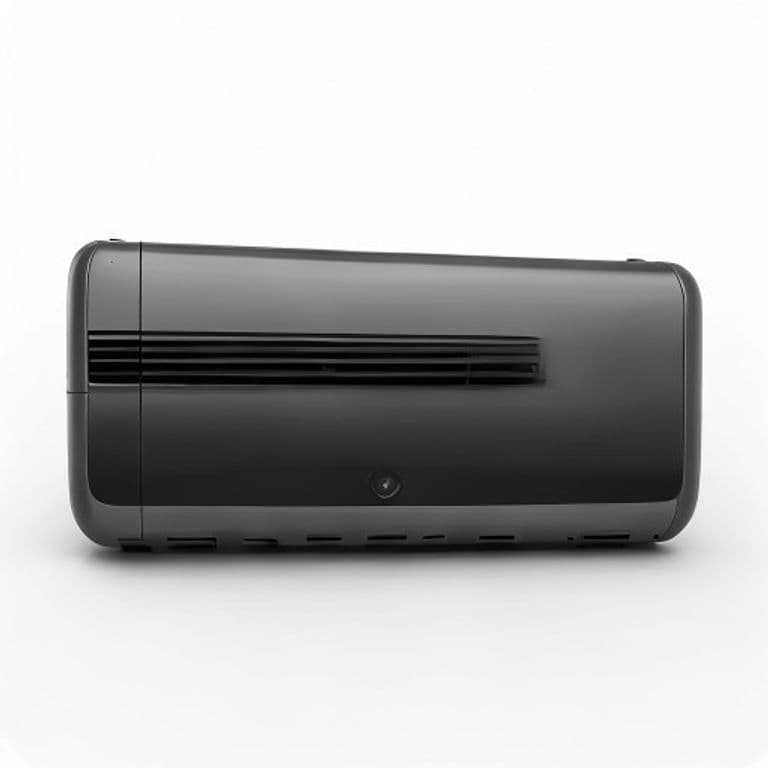
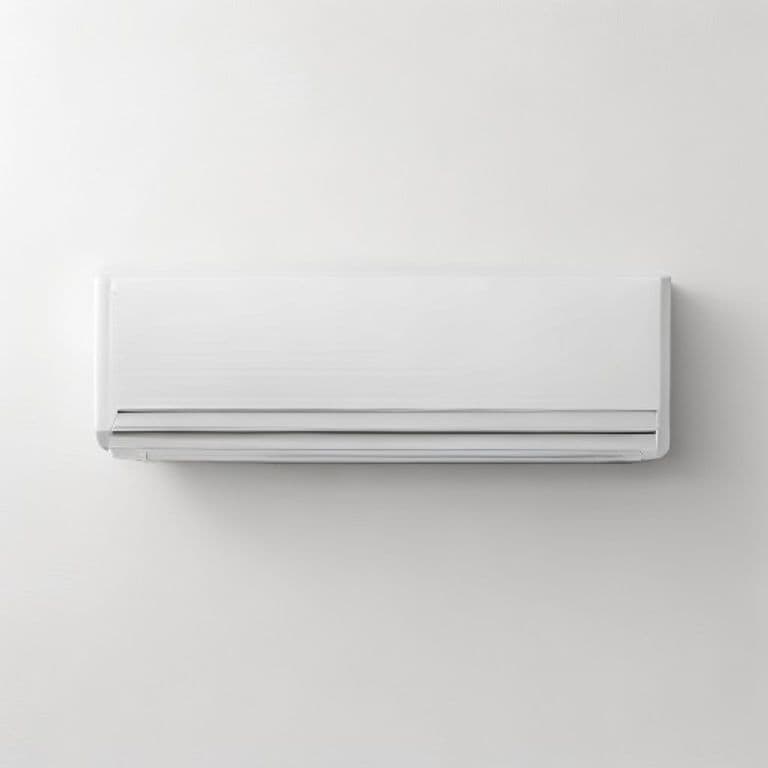
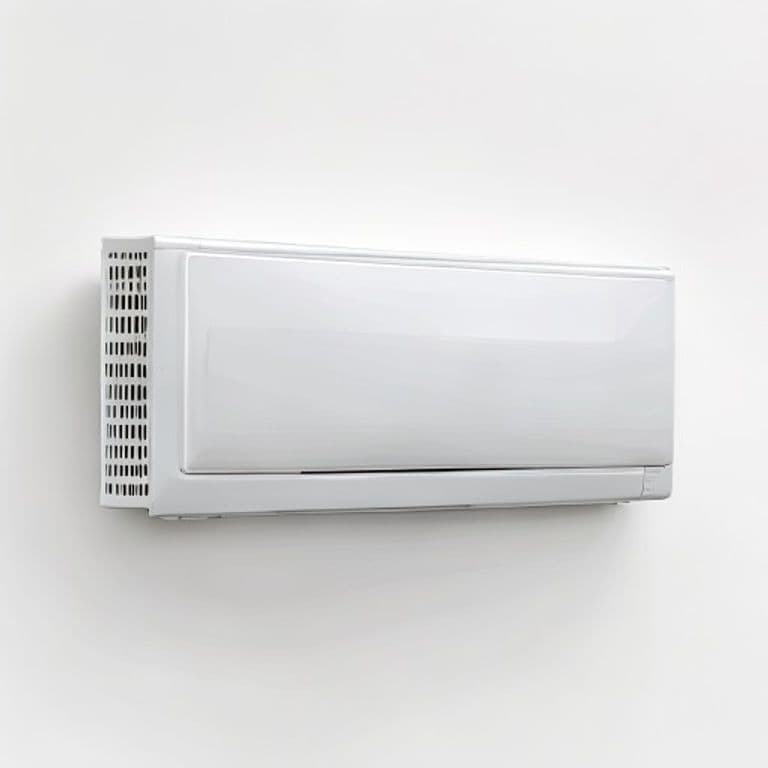
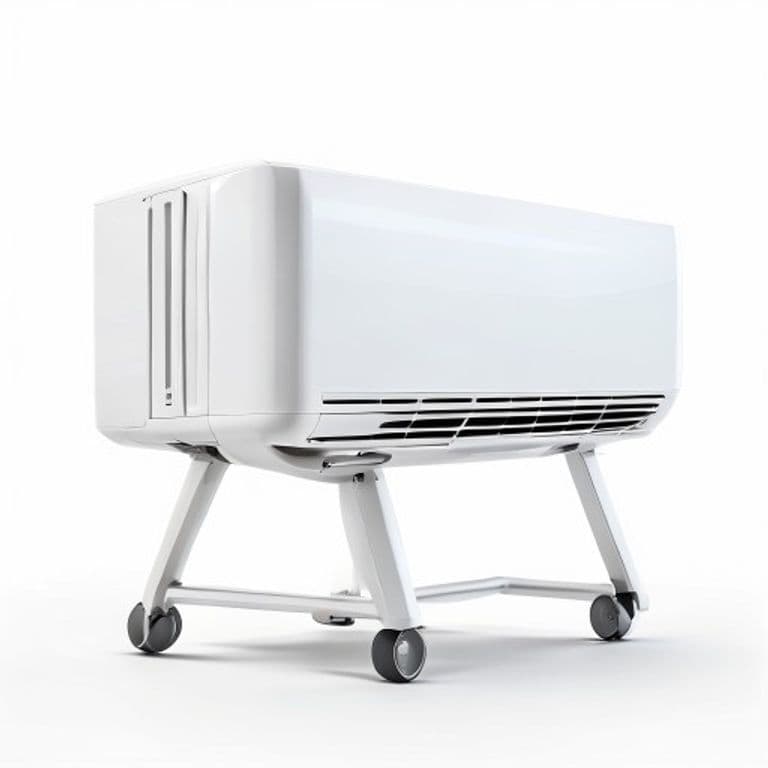
For most hotels and restaurants, fixed split and multi-split air conditioning is the sensible core. A single outdoor unit can serve several indoor heads, so a run of bedrooms or a large dining space can be zoned and controlled individually. Portable units still earn their place as flexible backup, covering a private dining room during a heat spike or a space awaiting permanent installation.
Guest-room air conditioning and noise
In a bedroom, noise is as important as cooling power. A unit that cools well but hums or rattles will still generate complaints, because the problem only reveals itself at two in the morning when the room is otherwise silent. Check the indoor unit's rated sound level in decibels at its lowest setting, and favour inverter-driven models that modulate output rather than cycling noisily on and off.
Inverter technology is the single biggest comfort upgrade for guest rooms. Instead of blasting cold air then stopping, an inverter unit ramps down to hold a steady temperature near-silently, which feels more comfortable and uses less energy. Pair it with a well-placed thermostat and guests get a room that holds their chosen setting all night.
- Prioritise low decibel ratings at the quietest fan speed for bedrooms.
- Choose inverter-driven units for steady, quiet, efficient operation.
- Position indoor units to avoid blowing directly onto the bed.
- Give guests simple, intuitive controls to reduce front-desk calls.
Zoning, smart thermostats and climate control
The biggest waste in hospitality cooling is conditioning empty space. Smart thermostats and zoning fix this by matching cooling to occupancy: an unsold room idles at a modest setback, a function suite is pre-cooled just before an event, and the dining room holds a comfortable setting only during service hours.
Modern smart thermostats add scheduling, remote control and often integration with property management systems, so a room begins cooling automatically at check-in. For managers, the reporting these systems provide turns energy from an unpredictable bill into something you can see and control.
Managing energy costs across European electricity markets
Cooling is usually the largest electrical load in a hospitality building, and electricity prices differ sharply across Europe. A kilowatt-hour can cost markedly more in Germany or Italy than in France or Poland, so the same inefficient equipment produces very different bills depending on where you trade. That makes efficiency a bigger lever for some operators than others, but it is never irrelevant.
The good news is that most savings come from a handful of well-understood measures rather than exotic technology. Check the EU energy label when you buy, since the difference between efficiency classes compounds over years of continuous running. On refrigeration in particular, where units never switch off, a modest efficiency gain returns real money every single day of the year.
- Buy on the EU energy label, not just the purchase price; running cost dominates over an appliance's life.
- Service condensers and clean filters regularly, as dust and blocked coils quietly raise consumption.
- Fit door curtains, night blinds and good seals on cold rooms to reduce the load on compressors.
- Use smart controls to avoid cooling unoccupied rooms and to shift pre-cooling to cheaper tariff periods.
- Right-size every unit, because both oversized and undersized equipment waste energy.
Planning a commercial fit-out that lasts
The best time to fix a cooling problem is before it is built. A coordinated fit-out plans refrigeration and comfort cooling together, sizes each element to realistic demand and leaves room to grow, so a successful restaurant is not tearing out its kitchen two summers later.
It also plans for the whole lifecycle. Access for maintenance, availability of spares, refrigerant choices that meet current EU rules and a clear warranty all matter as much as day-one performance. Equipment that is easy to service and well backed stays reliable through the years of hard use hospitality demands.
Every EuroCooling order ships free across the EU, is covered by a two-year warranty and comes with thirty-day returns, and for larger projects our team can help you specify a complete package. If you are opening, refurbishing or replacing tired equipment, talk to us early and we will help you plan a system that protects your food, delights your guests and keeps energy costs under control.
- Map every cooling need before choosing equipment.
- Coordinate kitchen refrigeration and guest comfort as one project.
- Specify for peak demand and future growth, not just today.
- Factor in maintenance access, spares, warranty and EU refrigerant rules.
Explore related products
Frequently asked questions
What temperature should a commercial kitchen fridge and freezer be set to?+
As a general rule across the EU, chilled high-risk food should be held at or below your national limit, commonly around five to eight degrees Celsius, and frozen food at about minus eighteen degrees or colder. Exact figures vary by country, so follow your local food-safety authority and log temperatures for HACCP records.
Do I really need a blast chiller in my restaurant?+
If you cook ahead, batch prep or cater events, yes. A blast chiller cools hot food through the bacterial danger zone far faster than a normal fridge, keeping food safe, preserving quality and reducing waste. For strictly cook-to-order kitchens it is less essential, though it still adds flexibility.
Which type of ice maker is best for a hotel or restaurant?+
It depends on use. Cube ice is best for bars, spirits and cocktails because it melts slowly and looks clean. Flake ice suits fresh-fish displays, buffets and spa areas, while nugget ice is popular in cafes and casual dining. Many sites run a cube machine at the bar and a flake machine in the kitchen, and always size for your busiest day rather than the average.
Why choose a dual-zone wine cabinet for a restaurant?+
A dual-zone cabinet holds two independent temperatures at once, so whites and reds are both ready to serve without last-minute chilling or warming. This lets you present every bottle at its best, protects your stock and speeds up service, which matters a great deal for venues with a serious wine list.
How do I keep hotel guest rooms cool without noise complaints?+
Choose inverter-driven split units, which modulate output to hold a steady temperature quietly rather than cycling loudly on and off. Check the indoor unit's decibel rating at its lowest fan speed, position it so it does not blow directly onto the bed, and give guests simple controls.
How can hospitality businesses reduce cooling energy costs?+
Buy on the EU energy label rather than purchase price, service condensers and clean filters regularly, seal cold rooms well, and use smart thermostats to avoid cooling empty rooms. Because refrigeration runs continuously and electricity prices vary widely across Europe, efficient, well-maintained equipment repays its cost quickly.
Ready to beat the heat?
Browse premium cooling and refrigeration systems with free EU shipping and a 2-year warranty.